
You are buying
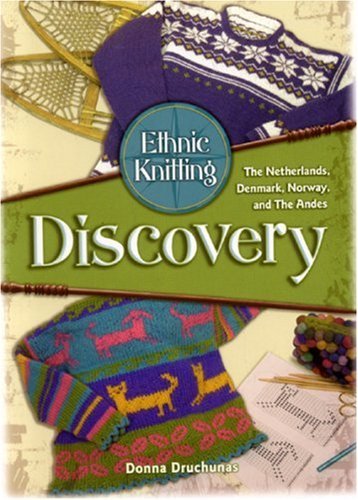
Ethnic Knitting Discovery
Original price was: $19.99.$11.99Current price is: $11.99.
This product is sold by Barton River Yarn
Description
Designing your own sweaters using techniques from Denmark, The Netherlands, Norway, and The Andes.
“Choose from three different styles of worksheets-quick notes, a visual plan, or detailed guidelines:
1) For adventurous and advanced knitters, I have a schematic where you can fill in your measurements and stitch counts as you go.
2) For those who want more details, I have a spreadsheet to help you do all of the calculations you’ll need for your project.
3) For those who have never designed a sweater, or who want a little more hand-holding, I have step-by-step instructions for working up each project (with your numbers).”
The worksheets allow you to design the sweater yourself with any gauge yarn for any set of measurements so you have the perfect fit you want when you are done.
Pages: 276
Publisher: Nomad Press
Type: Paperback | Black & White
ISBN: 978-0-9668289-3-3
Chapter 1 : Sweater Shapes – Raglan, Yoke, & Saddle-shoulder
Refining the shoulder area • Pullover or cardigan—you choose • Sizing
guidelines • Getting gauge • The sample sweaters
Chapter 2 : A Few Basics
Knitting needles, and some tricks for using them • Yarn • Increases and decreases •
Sewing seams • Short-row shaping • Centering patterns • Abbreviations and symbols
Chapter 3 : Lithuania
Striped ribbing • Working with two or three colors
Project 1: Fingerless Gloves
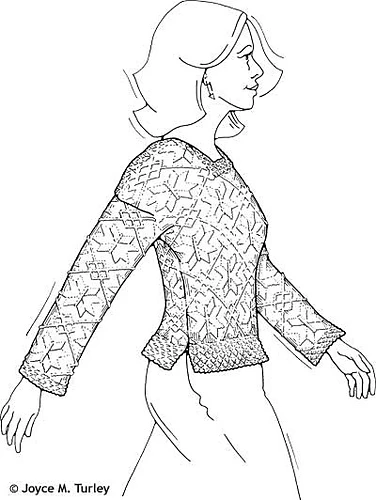
Project 2: Raglan Pullover with Border Pattern
Project 3: Raglan Pullover with Multiple Patterns
Chapter 4 : Iceland
Knitting with unspun lopi yarn • Fitting patterns on a yoke
Project 4: Capelet
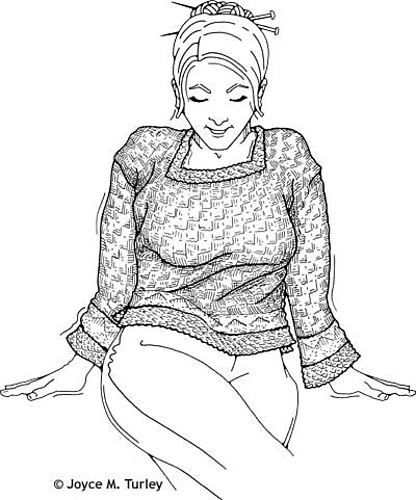
Project 5: Pullover with Horizontal Bands on Yoke
Project 6: Cardigan with Horizontal Bands
Chapter 5 : Ireland
Left-crossing cable • Right-crossing cable • Counting rows between cable
crossings • Making bobbles • Chart symbols used in cable patterns • Becoming
comfortable with cables • Special notes about Aran-style sweater design •
Knitting a cable swatch
Project 7: Poncho
Projects 8 & 9: Aran Pullovers with Saddle Shoulders
Chapter 6 : Cardigans
In the round with a cut center-front opening • Body knitted back and forth in one
piece • Knitted back and forth (flat) in several pieces (especially for Arans)
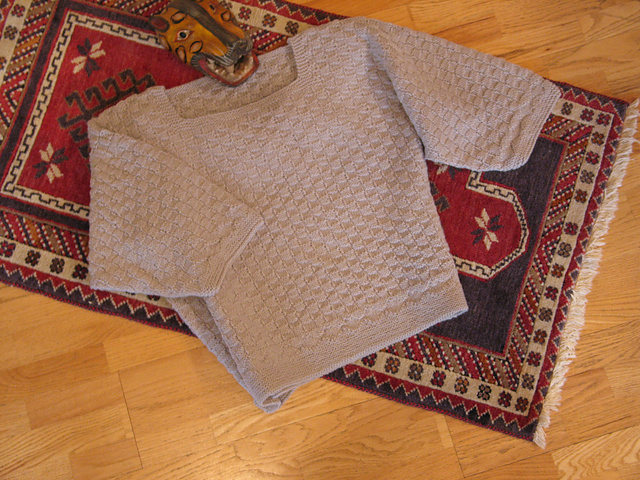
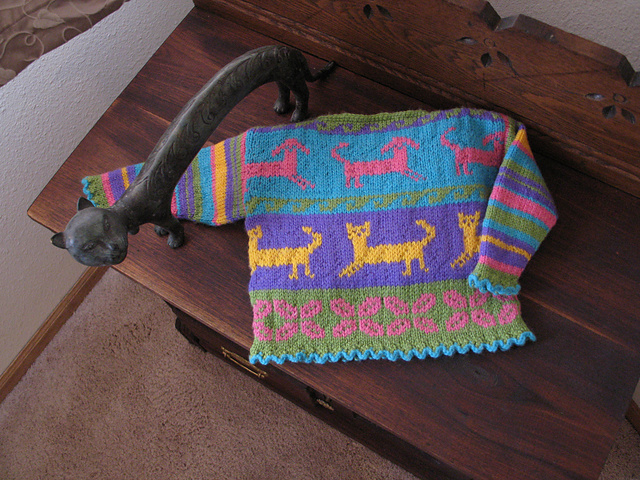
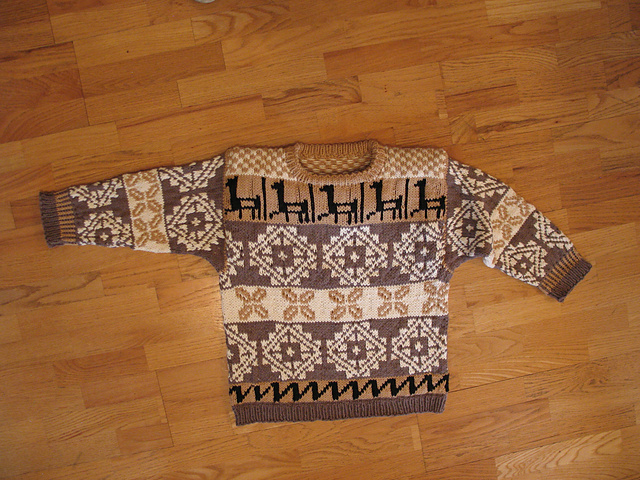
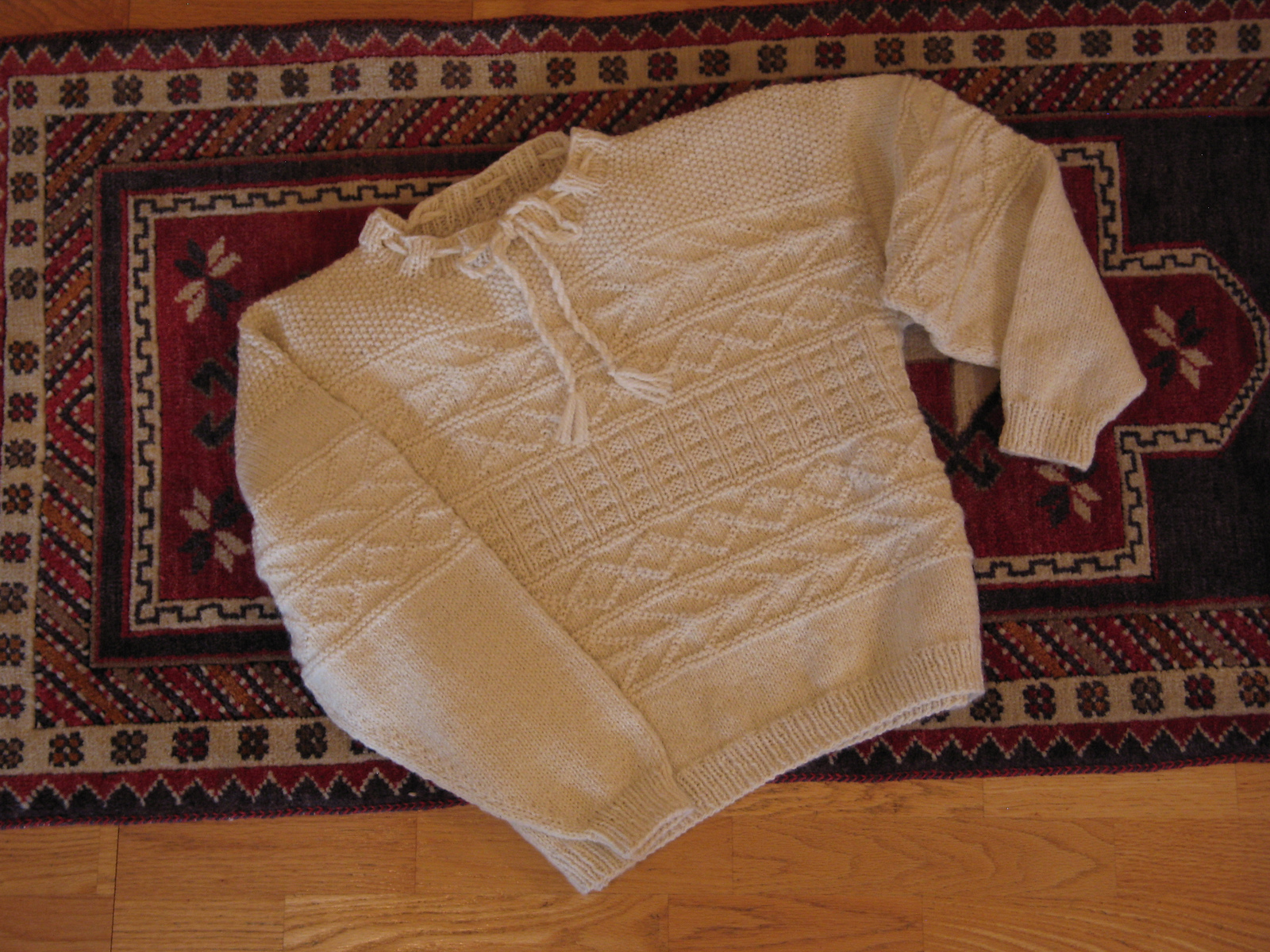
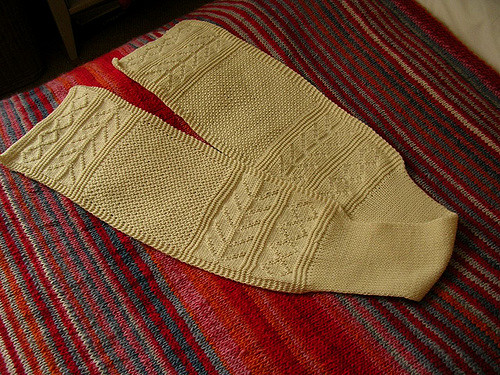
Ethnic Knitting Discovery, the first book in the Ethnic Knitting series, takes off for Lithuania, Iceland, and Ireland in another voyage of knitting discovery. This time, you’ll get a tour through unusual color patterns from Lithuania, circular yokes from Iceland, and Irish Aran-style garments. Step-by-step tutorials introduce the traditional techniques of each region, followed by a small project—fingerless gloves, a capelet, or a poncho. These are a great place to experiment with ideas, or just practice the new techniques before moving on to one of the two master sweater plans. Each project is presented as detailed instructions, a visual plan, and a spreadsheet, so you’re sure to find something you’re comfortable working with.
20 in stock



 Experience level – advanced beginner
 After I finished my Arctic Lace Knitting Book, I finally allowed myself to explore the world of lace knitting and discovered that is is much more varied and elaborate than I could have imagined. Around the world and over time, knitters in different countries and regions have developed unique styles of lace knitting that range from easy-intermediate (like the knitting of the Oomingmak knitters) to advanced-insanely- difficult (like some of the Victorian patterns designed by English knitters). Other lace styles are used in Estonia, Russia, South America, Lithuania, Germany and Austria, and New Zealand. I’m sure there are even more, but these are the styles I’ve explored so far. – Donna Druchunas –


 Experience: All skill levels, basic knitting skills required.
 Have you ever wondered why some people can read charts easily and others find them incomprehensible? The truth is, charts are written in a code that can be deciphered by knitters who learn the symbols on the page and in their knitting. Charts do not use arbitrary symbols, but each symbol includes the instructions on how to make the indicated stitch! In this class, you will learn the secrets of interpreting chart symbols for texture and cable stitches.


