You are buying
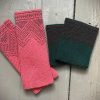
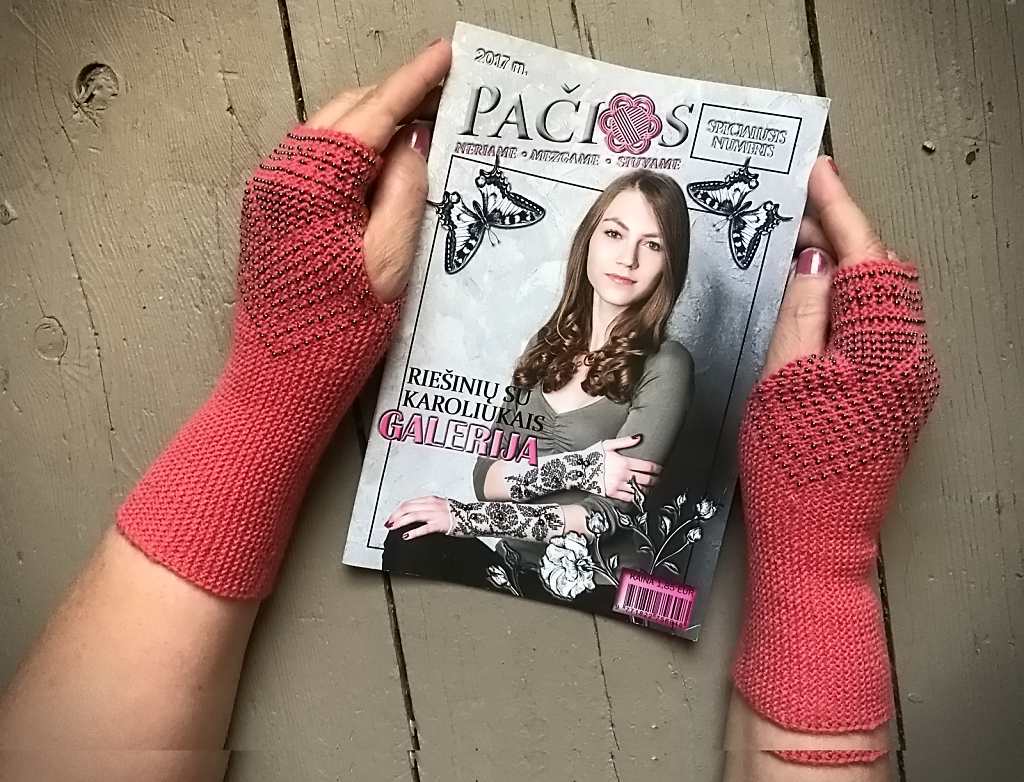
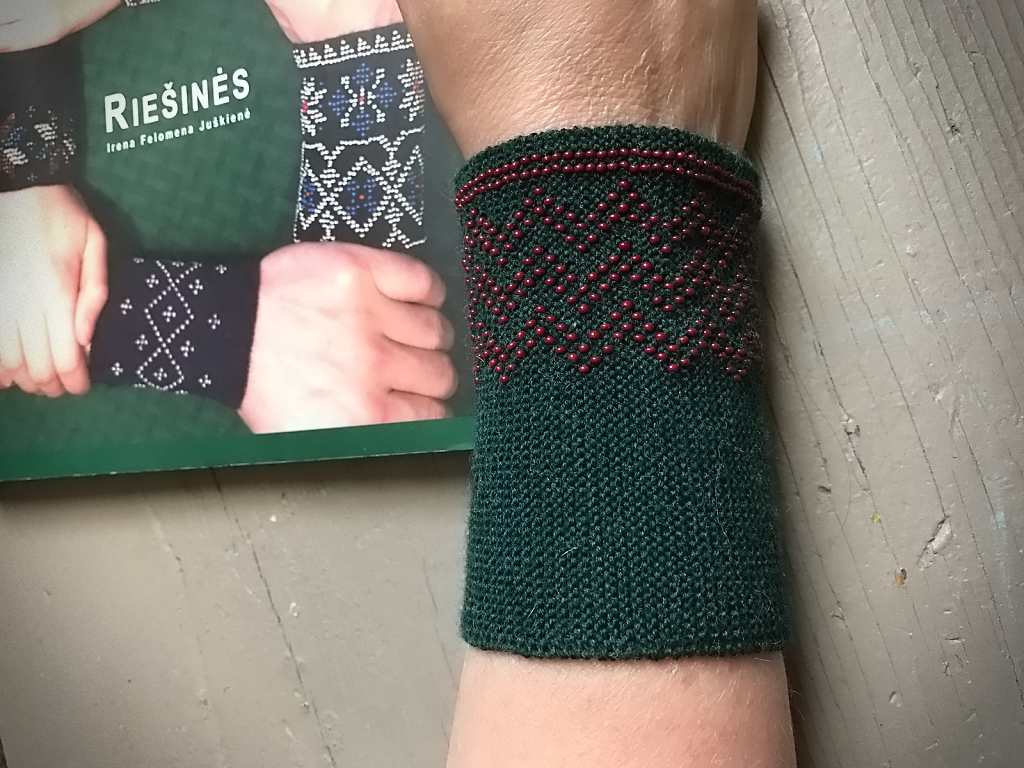
Long and Short Wristers Knitting (2 Patterns)
$1.00
This product is sold by Barton River Yarn
Description
 This gorgeous lace pattern is adapted from a design I saw in an Italian shop when I was visiting Rome a few years ago. I loved the pattern so much, I knew I had to figure out how to knit this lace. With cashmere yarn, this cowl something you will want against your skin all winter long, and the matching fingerless mitts are perfect for both indoor and outdoor wear.
You can work it in anything from DK to Aran weight yarn, and it is beautiful.
Yarn: Shibui Knits Sock
Yarn weight: Fingering (14 wpi)
Gauge: 8 stitches and 12 rows = 1 inch in k1, p1 twisted ribbing
Needle size: US 1½ – 2.5 mm
Yardage: 382 yards (349 m)
Sizes available: One size fits most teen and adult women.
86 in stock